Strength Training for Painful Joints: Why It Feels Wrong and Works Anyway
If there were a supplement with the evidence base that strengthening exercise has for osteoarthritis, it would be the best-selling product in the world.
Why resting makes it worse
A joint hurts, so you use it less. The muscles supporting it weaken within weeks. Weaker muscles absorb less load, so more goes through the joint. It hurts more. You use it less again.
That cycle is the reason osteoarthritis so often deteriorates faster than the underlying joint damage alone would explain — and it is the reason exercise sits first in every clinical guideline despite feeling like the opposite of what a painful joint needs.
What the evidence actually shows
Exercise therapy for knee and hip osteoarthritis has been tested in a large number of randomised trials. It improves pain and function, and it appears in essentially every clinical guideline as a first-line recommendation. No supplement in this category has anything approaching that.
What kind of exercise
Strengthening is the core of it — building the muscles that support the affected joint. For knees that means quadriceps primarily, plus hips and glutes. For hips, the abductors and glutes.
Range of movement work keeps the joint mobile and helps with stiffness.
Low-impact aerobic activity — walking, swimming, cycling — helps with weight, general health and joint nutrition, since movement circulates the fluid that feeds cartilage.
It will be uncomfortable at first
This is the part that stops people, and it is worth saying plainly. Some discomfort during and shortly after exercise is expected and does not mean damage is being done. Pain that is severe, that lasts well into the next day, or that involves swelling means the load was too much and needs scaling back — not stopping.
Why a physiotherapist is worth the money
The difference between an exercise programme that works and one that aggravates things is usually specificity and progression. A few sessions cost roughly what a bottle of supplement does, and you come away with something you keep using for years rather than something you consume.
Getting started without making it worse
- Start lower than feels necessary and build slowly — most setbacks come from doing too much too soon
- Consistency beats intensity for this purpose
- Expect improvement over weeks and months, not days
- If a joint is hot, red or swollen, get it assessed before starting anything
The honest comparison
You can do both. Nobody has to choose between exercise and a supplement. But if only one is going to happen, the evidence is not close, and the free option is the one that wins.
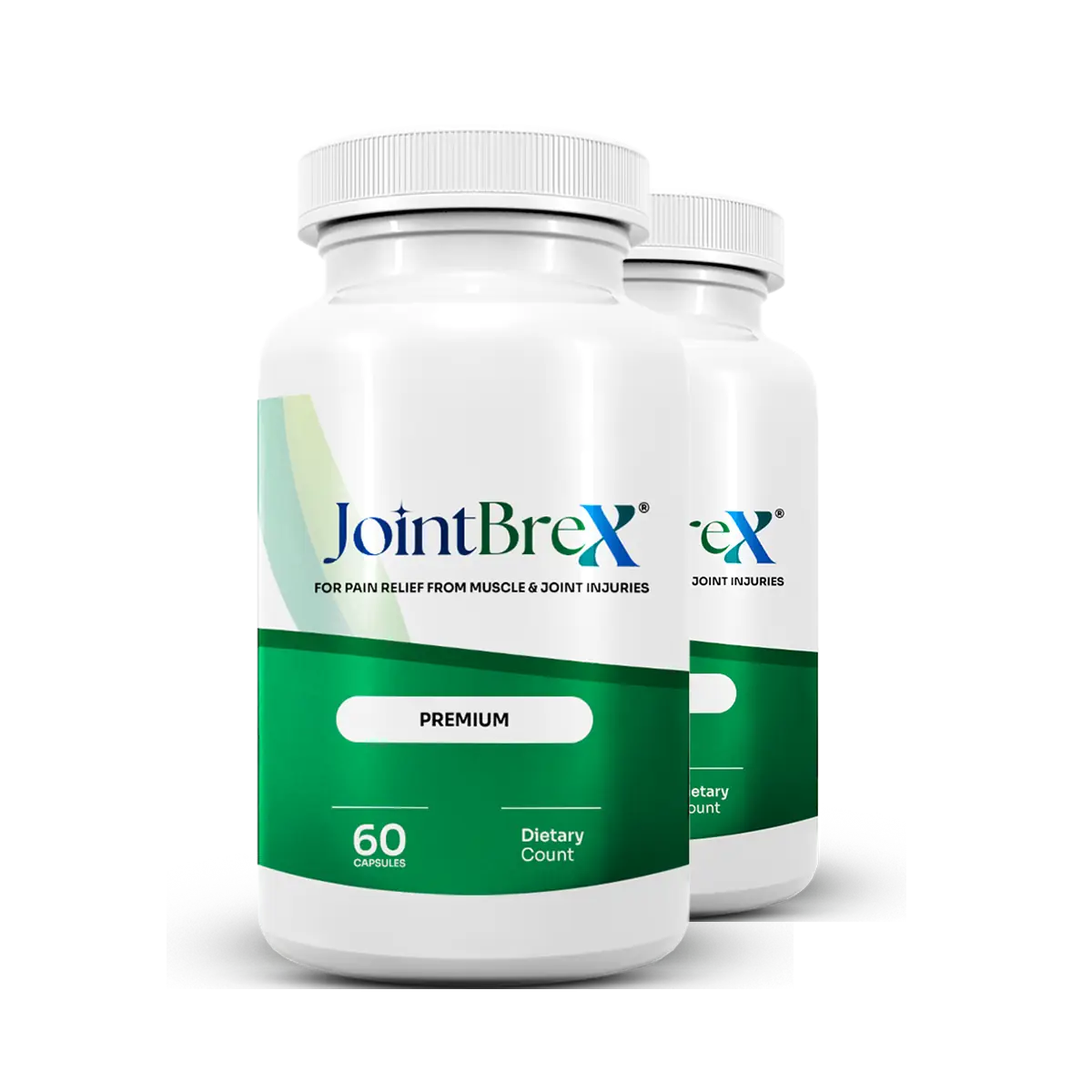
Pricing, and What to Settle First
Exercise, weight and a proper diagnosis come before any capsule. If those are already in hand and you want to try this as an addition, the pricing page carries the current totals, the figures that conflict, and the interactions to check.
Pricing and Cautions →