A Joint Health Guide, With the Supplement in Its Place
The reason this site is organised the way it is: a supplement decision made without understanding the condition is a decision made in the dark, and the supplement industry benefits from that darkness.
Osteoarthritis is not simply wear and tear
The phrase is convenient and misleading. If joints simply wore out with use, the most active people would have the worst joints, and they do not. What actually happens is more complicated: cartilage thins, the joint lining becomes inflamed, the bone underneath remodels, and the muscles supporting the joint weaken as pain reduces activity.
That last element is the one worth dwelling on, because it is the one you can change most easily.
The cycle that makes it worse
A joint hurts, so you use it less. Muscles supporting it weaken. Weaker muscles absorb less load, so more of it goes through the joint. The joint hurts more. You use it less again.
Breaking that cycle is the single most effective thing available for most people with worn knees and hips, and it is why exercise sits at the top of every clinical guideline despite feeling like exactly the wrong idea.
Which joint you have matters
Knees. The most common site and the most load-sensitive. Quadriceps strength and body weight both matter enormously here.
Hips. Often felt in the groin rather than the hip itself, and sometimes referred to the knee, which delays diagnosis. Load matters similarly.
Hands. Less about load, more about the small joints themselves. Grip aids and hand exercises are the mainstays, and the pattern of which joints are affected helps distinguish osteoarthritis from rheumatoid arthritis.
Spine. Different again, with nerve involvement possible. Worth a proper assessment rather than self-management.
What is not osteoarthritis
This is the most important section on the page, because supplements are marketed at "joint pain" as though it were one thing.
- Rheumatoid arthritis — an autoimmune condition. Symmetrical, often small joints, morning stiffness lasting over an hour, sometimes fatigue and general illness. Early treatment substantially changes long-term joint damage, so delay is costly.
- Gout — sudden, severe, usually one joint, often the big toe, extremely tender. Very treatable once identified.
- Septic arthritis — a joint infection. Hot, red, swollen, usually with fever. An emergency; it can destroy a joint within days.
- Injury — a torn meniscus or ligament needs assessing rather than supplementing.
The rule of thumb
Osteoarthritis comes on gradually over years, is worse with use and better with rest, and its morning stiffness eases within about half an hour. Anything that does not fit that pattern deserves a proper look.
Now, where does JointBrex fit?
Within the lowest evidence tier, and with two specific problems on top.
The dose. Roughly 35 mg of curcuminoids per capsule. Trials reporting joint benefit from curcumin generally used 500 to 1,500 mg daily. The BioPerine genuinely improves absorption — around twentyfold, on the classic study — but multiplying a small dose does not close a gap that size.
The label. The sales page advertises Glucosamine Sulfate, Chondroitin Sulfate, Boswellia Extract, Turmeric, MSM and Bromelain. Five of those six appear nowhere on the Supplement Facts panel. The label instead lists Coleus Forskohlii, which the advertising never mentions and which has no established joint role.
There are further mismatches: one capsule daily on the label against two on the sales page, thirty capsules against sixty, and a shellfish allergy warning on a formula with no shellfish-derived ingredient listed. The sales page's scientific reference list is entirely about gut bacteria and type 2 diabetes; an expert quote on it recommends the product for vertigo; and the five bonus guides all address peripheral neuropathy.
What we think that means
Most likely a landing page assembled from a template used for other products, with joint copy layered over the top. That would explain a diabetes reference list, a vertigo endorsement and nerve-pain bonuses. We are not alleging anything — but a page that gets those wrong has not earned trust on the claims you cannot check.
A sensible order of operations
- Get a diagnosis if you have not had one. The conditions above need distinguishing.
- Address exercise, and weight if it applies. This is where the returns are.
- Ask about physiotherapy — a few sessions give you something you keep.
- Sort out pain relief with a doctor so the exercise is possible.
- Then, if you want to add a supplement, choose one whose label you can actually cost, tell your doctor, and give it a defined trial with written notes.
Sources
What JointBrex Costs
Set by the manufacturer and sold through BuyGoods. The sales page prints conflicting figures for the smaller kits, so read the checkout total before paying.
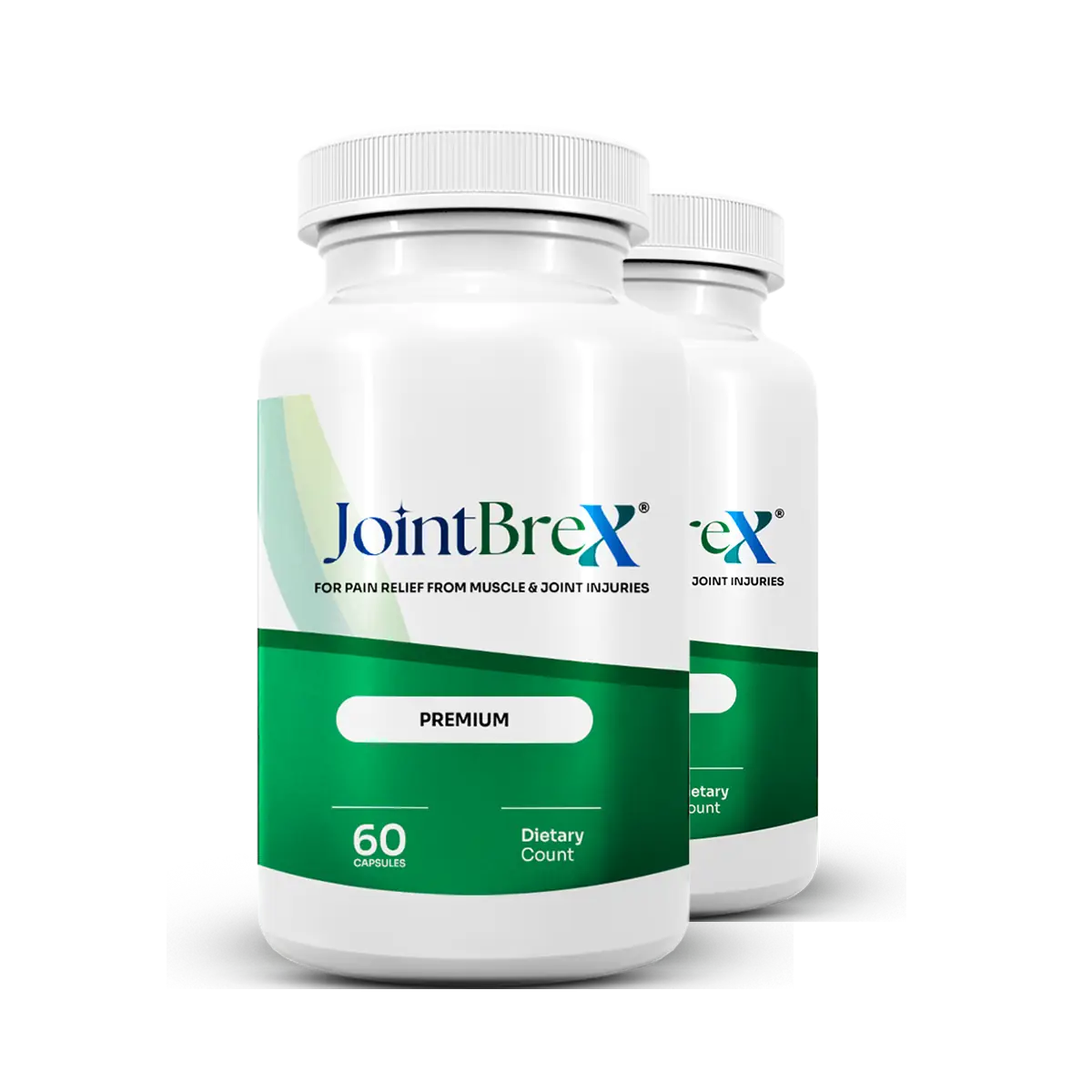
- Lowest per-bottle rate
- Includes the 5 digital bonuses
- 60-day guarantee
The struck-through figures are reference prices published by the manufacturer, not evidence of a saving. "See Details" opens our pricing page and the official checkout link. We may earn a commission at no extra cost to you.
Pricing, and What to Settle First
Exercise, weight and a proper diagnosis come before any capsule. If those are already in hand and you want to try this as an addition, the pricing page carries the current totals, the figures that conflict, and the interactions to check.
Pricing and Cautions →